5 Buyer Behaviors You Must Understand to Sell More
May 21, 2025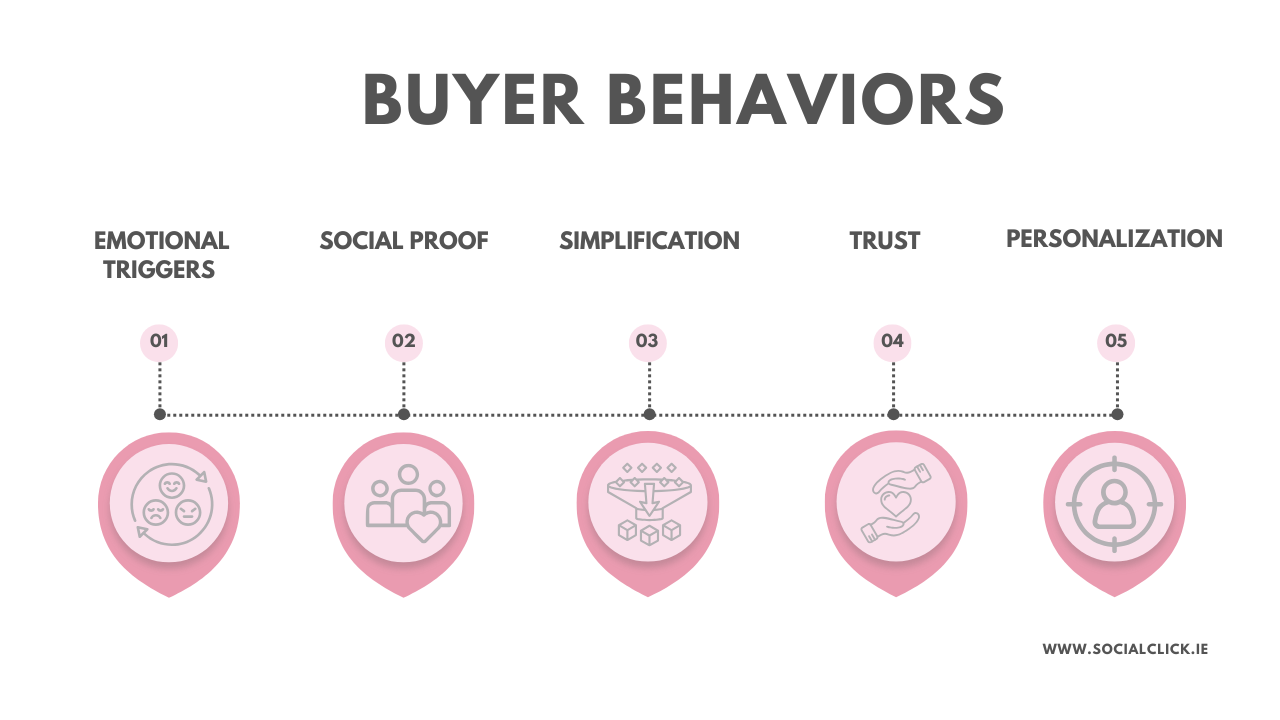
Selling isn’t just about having a great product or a fantastic pitch. It’s about truly understanding your buyers. Why do they choose one product over another? How do they decide when to buy or what will make them say no? When you dig deeper into buyer behaviors, you discover the secrets to not just selling more, but building lasting relationships with your customers.
Here, we’ll walk through five buyer behaviors that play a huge role in purchasing decisions. Along the way, I’ll offer practical ways to tap into these behaviors, so you can connect more effectively with your audience and ultimately boost your sales.
1. The Impact of Emotional Triggers
Did you know that most buying decisions aren’t purely logical? Sure, we like to think we rationally weigh all the pros and cons, but the reality is our emotions often take the wheel. Maybe it’s the joy of owning something shiny and new, or the fear of missing out on a hot deal. These emotional pulls are powerful.
Why it matters:
Research shows that emotions guide purchasing decisions more than logic. For instance, when someone buys a luxury watch, yes, they appreciate the craftsmanship—but they’re often drawn in by the feelings of status or accomplishment that come with wearing it.
How to use it:
- Tell stories: Stories evoke feelings. If you’re selling skincare products, share a customer’s real story about how the cream gave them the confidence to skip makeup for the first time in years.
- Tap into aspirations: Frame your messaging around your buyer’s dreams. Fitness gear? Sell the idea of feeling stronger and energized, not just the durability of the product.
- Stir urgency: Phrases like “Limited stock!” or “Only 3 days left!” create an emotional response rooted in FOMO (Fear of Missing Out).
Example: Think about Apple. Their advertising doesn’t focus heavily on specs like RAM or battery life. Instead, their messaging is about creativity, innovation, and making life simpler. It’s all about what you feel when you own their products.
2. The Trust in Social Proof
Be honest—how many times have you decided on a purchase after reading reviews or checking what others say? That’s social proof at work. It’s human nature to look to others when making decisions, especially if we’re unsure about something.
Why it matters:
We trust people who’ve “been there, done that” more than we trust brands telling us how great they are. Amazingly, 93% of shoppers say online reviews influence their buying decisions. It’s why we love those 5-star ratings on Amazon or glowing testimonials on websites.
How to use it:
- Display reviews prominently: Whether it’s your website, social media, or even emails, make sure positive feedback from satisfied customers is visible.
- Team up with influencers: Influencers who align with your audience can lend credibility to your brand.
- Promote usage stats: Show buyers that others trust you. For instance, “Over 10,000 happy customers” or “Voted #1 in customer satisfaction.”
Example: Picture buying a vacuum cleaner online. Which option feels safer to you? The one with dozens of glowing reviews detailing how pet owners swear by it, or the one with no reviews at all? Most would trust the one validated by other buyers.
3. The Need for Simplification
We live in a world of overwhelming choices. From endless product options to crowded websites, too many options make it harder for buyers to decide. This is where choice simplification comes in. People tend to gravitate toward decisions that require less effort and feel straightforward.
Why it matters:
If a buyer feels even the slightest hint of confusion, they’re more likely to give up and choose a competitor that makes things easier.
How to use it:
- Curate clear choices: Don’t make your audience scroll through several options. Highlight a top pick or “Customer Favorite” to guide their decision.
- Simplify your CTAs (calls to action): Instead of overwhelming visitors with multiple options, keep it laser-focused—for example, “Shop Now” or “Start Free Trial.”
- Create user-friendly navigation: Make sure your site is intuitive. Simple menus, a clean design, and clear product information make a world of difference.
Example: Netflix nails this with their homepage. There’s one simple call to action that dominates the page: “Join Free for 30 Days.” The simplicity eliminates guesswork and drives action.
4. The Power of Trust
It’s simple really: no trust, no sale. Buyers want to feel safe in their choices, and that means they need to trust you—not just your product, but your entire brand. And once you lose trust? It’s hard to get it back.
Why it matters:
People are cautious with their money. They want to buy from brands they believe are honest, reliable, and consistent. Any sign of ambiguity or unreliability is an immediate red flag.
How to use it:
- Be transparent: Highlight your return policy, warranty details, and pricing info. The more open you are, the more confident buyers feel.
- Show reliability: Respond promptly to inquiries, follow through on promises, and provide great customer support.
- Use guarantees: Money-back guarantees or free trials reduce the perceived risk for buyers.
Example: Zappos has built an empire on trust by offering free shipping and easy returns. Their approach signals, “We’re here for you, no matter what.”
5. The Pull of Personalization
Think about the excitement of hearing, "This one’s just for you!" That’s the power of personalization. Buyers today expect that brands understand their specific needs and deliver experiences tailored precisely to them.
Why it matters:
Personalized experiences make buyers feel valued. Epsilon research shows that 80% of consumers are more likely to purchase from brands that personalize their approach.
How to use it:
- Segment communications: Tailor your emails or messages to reflect buyers’ interests. For example, new customers may get a “Welcome! Here’s how to start” email, while long-term customers receive loyalty rewards.
- Customize product recommendations: Show products based on browsing history or past purchases. Think “We thought you’d like this!”
- Address specific needs: Use surveys or interactive quizzes to find out what your audience wants, and then serve solutions based on their feedback.
Example: Spotify’s annual “Wrapped” recap is genius. They give users personalized insights on their listening habits, making it feel like a gift custom-made for them. It creates connection and keeps users engaged year-round.
Wrapping it Up
Selling isn’t about being pushy; it’s about understanding and connecting. The more you align your strategies with these five buyer behaviors, the better your chances of not just making a sale, but fostering loyalty:
- Lean into emotional triggers to build connections.
- Use social proof to create trust.
- Simplify decisions to avoid overwhelming buyers.
- Build trust by being transparent and reliable.
- Personalize your approach to make customers feel seen.
Remember, small, consistent changes can lead to big wins. Why not start with just one behavior today? From rewriting your CTAs to showcasing more reviews, every step brings you closer to understanding your buyers better. And that’s the secret to selling more—not just now, but in the long run.
Lorem ipsum dolor sit amet, consectetur adipiscing elit. Cras sed sapien quam. Sed dapibus est id enim facilisis, at posuere turpis adipiscing. Quisque sit amet dui dui.
Stay connected with news and updates!
Join our mailing list to receive the latest news and updates from our team.
Don't worry, your information will not be shared.
We hate SPAM. We will never sell your information, for any reason.